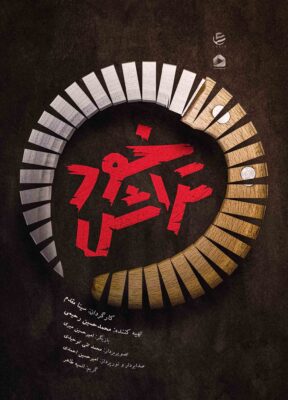
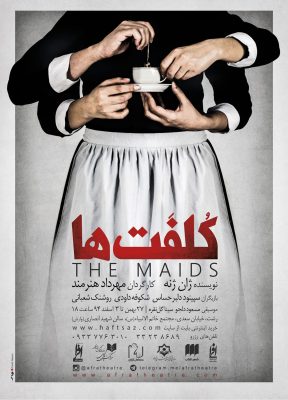
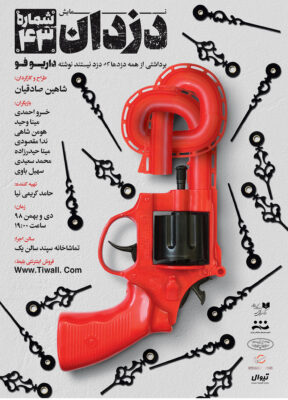
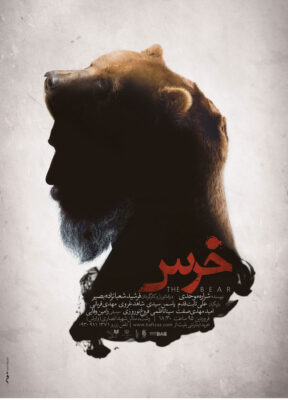
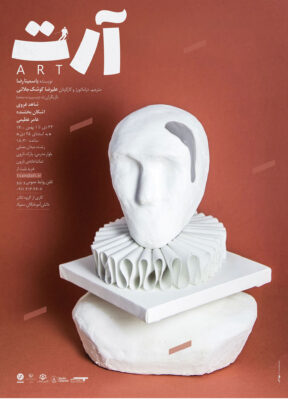
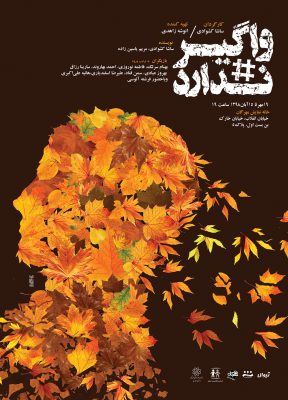
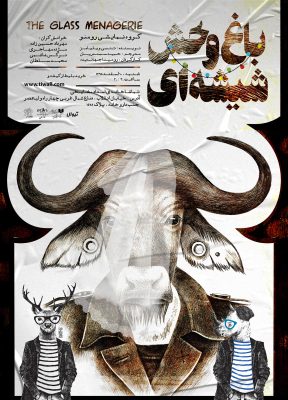
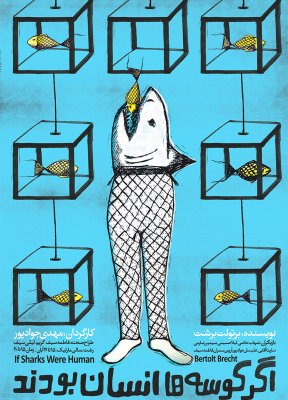
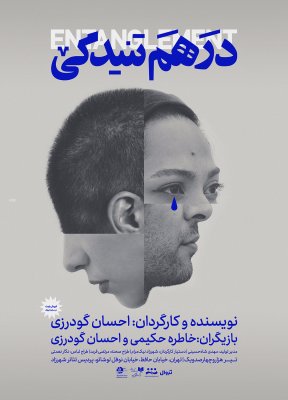
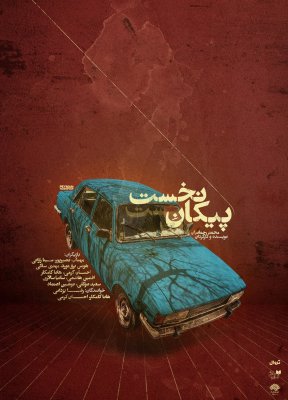
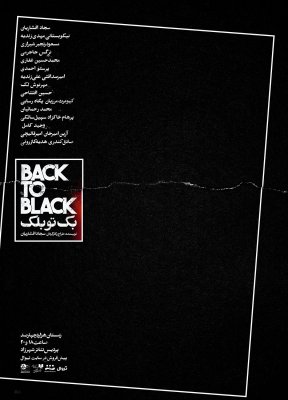
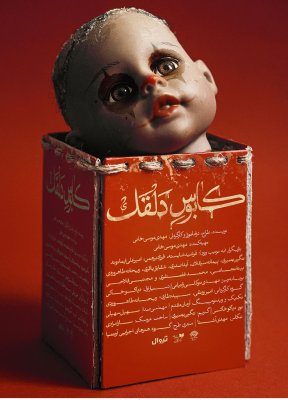
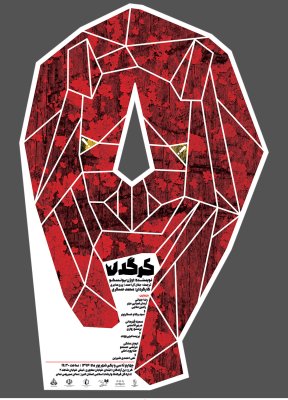
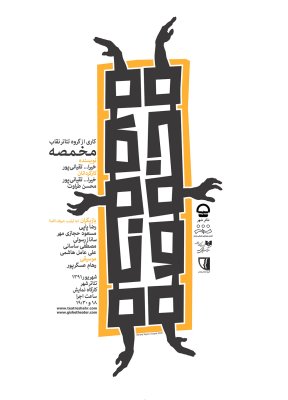
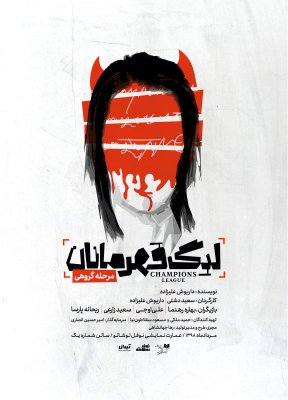
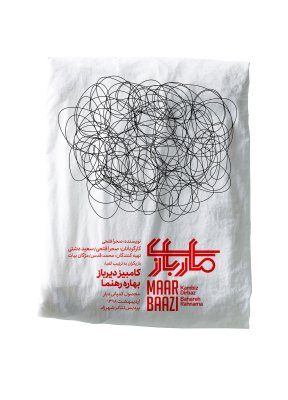
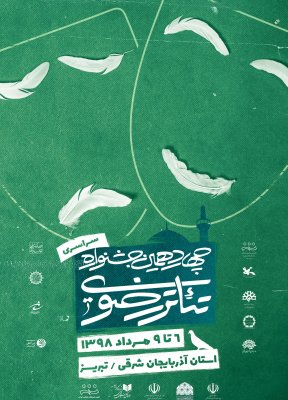
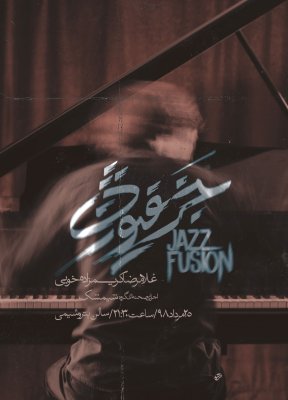
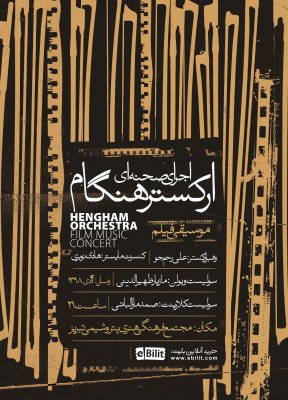
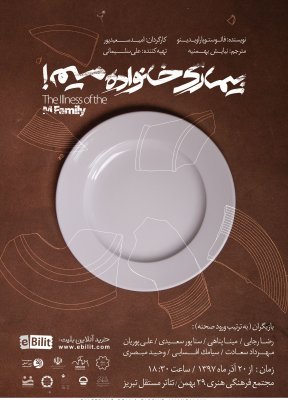
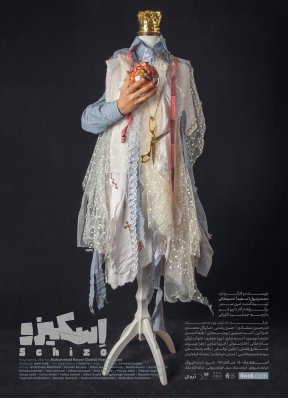
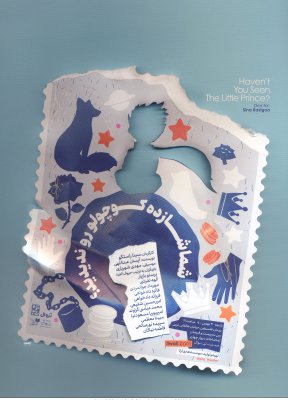
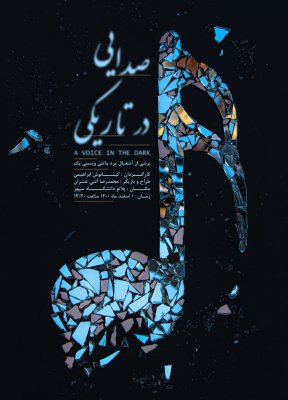
حضور در تئاترها و نمایشهای زنده یکی از تفریحاتی است که نمیتوان به راحتی از آن گذشت. یکی از چیزهایی که ما را جذب میکند تا در نمایشهای زنده و تئاترها حضور پیدا کنیم، پوسترهای تبلیغاتی مربوط به آنهاست. در واقع یک پوستر تبلیغاتی خوب تاثیرگذاری فوقالعادهای روی نظر افراد دارد تا تصمیم بگیرند که میخواهند در یک تئاتر شرکت کننده یا نه. فرقی نمیکند تئاتر برگزار شده خیابانی باشد یا در یک سالن مجلل برگزار شود، در هر صورت با یک پوستر خوب و عالی، میتواند تماشاگران زیادی برای خود نمایش جذب کند. در این بخش از وب سایت پالت رنگ میتوانید طرحهای بینظیری از انواع پوستر تئاتر و نمایشهای زنده را مشاهده کنید که هنرمندان خلاق و با ذوق آنها را طراحی کردهاند.
انواع پوسترهای تئاتر
تئاترها در ژانرهای مختلفی اجرا میشوند. از ژانرهای سیاسی٬ اجتماعی و فرهنگی گرفته تا کمدی، همگی قابل اجرا در نمایشهای زنده هستند. افرادی که اقدام به طراحی پوسترهای تبلیغاتی تئاتر میکنند، توجه ای ویژه به ژانر مورد نظر برنامه میکنند تا متناسب با آن طراحیشان را تکمیل کنند.
از بین طرحهای موجود در این بخش میتوانید متوجه شوید که طراحان کاملاً با توجه به ژانری که برنامه داشته اقدام به طراحی پوستر تئاتر کرده و سعی کردهاند متناسب با ژانر، نهایت خلاقیت را با رنگها و طرح-های گرافیکی به نمایش بگذارند.
طراحی پوستر تئاتر
طرحهایی که مشاهده میکنید توسط هنرمندانی خلق شده که از هوش هنری و خلاقیت منحصربهفردی برخوردار هستند. این افراد همواره سعی میکنند که طرحها و پوسترهای خود را با نهایت دقت و ریزهکاریهای بسیار طراحی کنند. در هر طرحی که در این بخش مشاهده میکنید، میتوانید اوج خلاقیت و ظرافت کاری را مشاهده کرده و از آن لذت ببرید.
پالت رنگ مجموعهای با عنوان موزه پوستر ایران افتخار این را دارد تا طرحهای بهترین هنرمندان و طراحان گرافیک ایران را به نمایش و در معرض دید عموم قرار دهد. امیدواریم از تماشای آثار هنری این بخش از موزه یعنی پوستر تئاتر لذت ببرید.