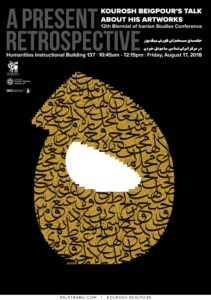
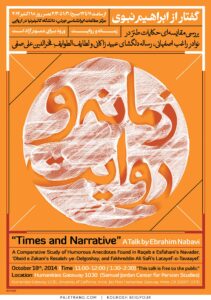
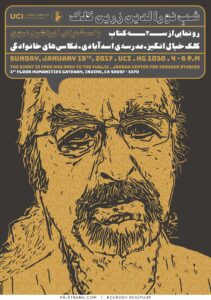
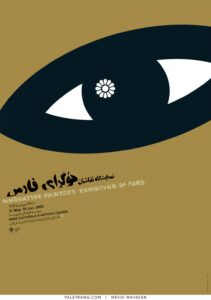
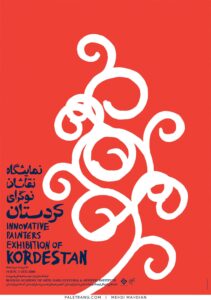
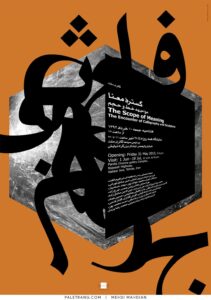
A cultural poster embodies the relationship between art, society, and communication. It is not limited to promoting an event or exhibition; rather, it serves as a reflection of collective identity, thought, and emotion. Through imagery, typography, and composition, a cultural poster translates abstract concepts such as heritage, diversity, and human connection into a visual experience that speaks beyond language.
The creation of a cultural poster requires sensitivity to both artistic and social context. The designer must interpret ideas, traditions, and values and transform them into a composition that resonates with a broad audience. Every element — from color and form to rhythm and balance — contributes to a dialogue between the artwork and the viewer, evoking awareness and reflection.
Throughout history, cultural posters have played a vital role in shaping public understanding and preserving visual memory. They have been used to celebrate art, literature, and music, as well as to inspire social engagement and cultural awareness. Many of these posters have transcended their functional purpose to become enduring symbols of their time — witnesses to the evolution of design and the shared language of creativity.
In essence, a cultural poster is a visual narrative of human experience — an artistic expression that connects people, preserves culture, and transforms communication into an act of meaning.